
Technical Bulletin: “Go" Gauge or “Go-No-Go” Gauge?
An Explanation of 2 Types of Inspection Gauges and Why Nicopress Gauges Are Correctly Identified as “Go" Gauges
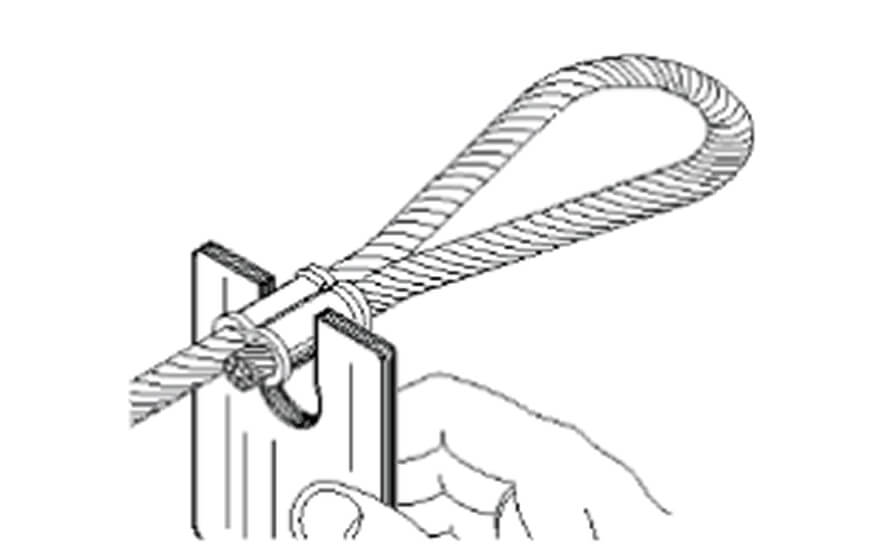
Gauging swaged sleeves is an important inspection process to determine if a sleeve has been pressed enough to ensure a full-strength connection to wire rope. Often, a Nicopress gauge is referred to as a “go-no-go” gauge, which is not quite correct. Nicopress gauges are correctly identified as “go” gauges. It is important to understand the difference between the two types of inspection gauges, since a better understanding of the two offers a scientific perspective on how proper swaging is achieved and why only one inspection method is required for Nicopress sleeves.
What Is a “Go” Gauge?
(Quick answer: If it goes, it passes; If it doesn’t go, it fails)
Answer: A Nicopress “go” gauge is designed to easily slide, or “go,” over a properly swaged section of sleeve to be sure a safe amount of compression has been reached. If the gauge tool does not easily slide over the swage or does not go, the swage tool must be adjusted to press deeper to allow the gauge to freely pass or “go” over the swage. In theory, this would be an inspection tool to prevent under-pressing from occurring during the swaging process.
What Is a “No-Go” Gauge?
(Quick answer: If it doesn’t go, it passes; If it goes, it fails)
Answer: A “no-go” gauge (not used by Nicopress) is designed to not go (or “no-go”) over a formed or machined dimensional zone in order to pass inspection. If this type of gauge were used to inspect swaged sleeves, it would test for over-compression. If a "no-go" gauge tool slides or “goes” over the pressed area, it indicates the area has been over-pressed and fails the test. In theory, this would be an inspection tool to prevent over-pressing (or too much compression). Other industries use “no-no” gauges for applications where it is necessary to inspect for undersized dimensions. Nicopress does not require, recommend, or supply “no-go” gauges for inspection of swaged sleeves.
What Is a “Go-No-Go” Gauge?
Answer: A “go-no-go” gauge is really two gauges: a “go” gauge slot and a “no-go” gauge slot combined into one tool.
Why Does Nicopress Supply and Recommend “Go” Gauges but Not “No-Go” Gauges?
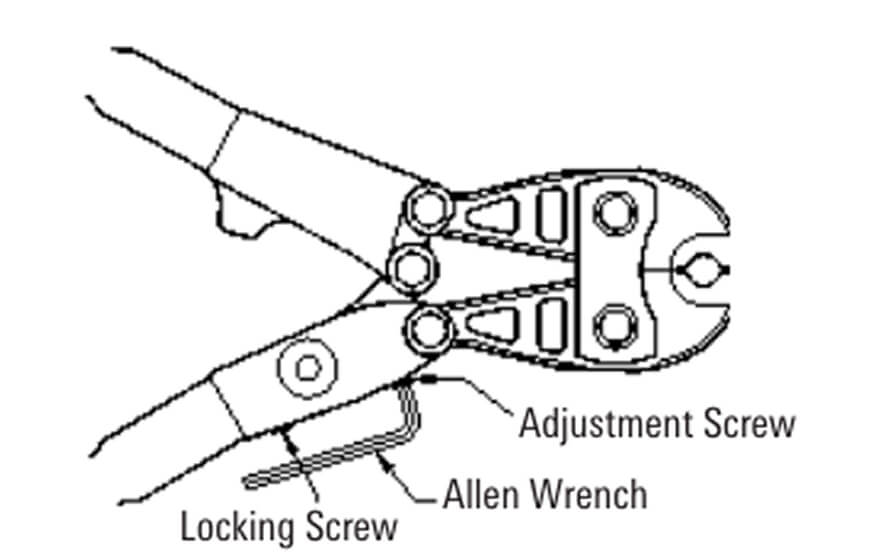
For inspection of Nicopress swaged connections, only the Nicopress “go” gauge is required to ensure swaged sleeves have deep enough presses. A “no-go” gauge is unnecessary due to an inherent design characteristic of all Nicopress tools. The hand-tool jaws (and swaging dies) of all Nicopress tools are designed so that when they are completely closed (jaws or die faces are in contact), the press tool cannot damage the sleeve by over-compression. Since the swaged sleeve cannot become overly compressed, there is no need to inspect it for over-pressing using a “no-go” gauge.
Question: Some may ask, "Why not just set the hand tool to maximum compression at all times?"
Answer: If you adjust the hand tool for its maximum compression setting, the drawbacks are:
- The handle force increases, making it more difficult to close and causing unnecessary fatigue for the user.
- Over time, with hand tools, it may tend to accelerate unnecessary tool wear. Note: In power tools, compression dies are not adjustable.
Final Word: It is always recommended, while adjusting a hand tool, to gradually increase the compression of the tool to a point where the Nicopress “go-gauge” easily slides (or “goes”) over the pressed sleeve, resulting in an optimum swage compression.
Get all the Details You Need
Download a PDF of this technical bulletin, or contact our team with any questions you may have about Nicopress gauges.